MAIZE

Senegal’s maize (corn) sector suffered a setback in the 2024/25 season. Cultivation area dropped 4.3 % to around 164,906 hectares, while output fell 12.7 % to 495,571 tonnes.At the same time, imports rose sharply — by 19 % in 2024 to 512,740 tonnes — highlighting the country’s increasing reliance on foreign maize to meet domestic demand.
Read More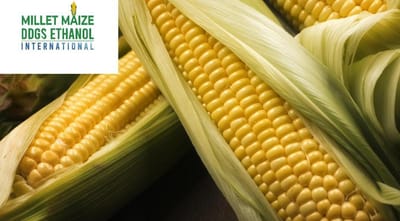
The harvest of corn in Ukraine is significantly behind pace. As of late October, only around 7.713 million tons have been threshed from approximately 1.315 million hectares (about 31% of the area), compared with 15.4 million tons from 67% of the area at the same time last year.
Read More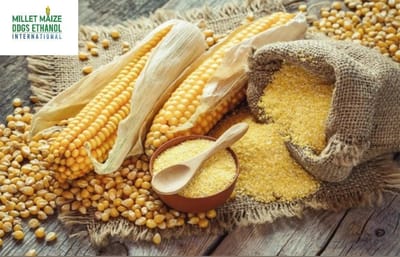
The Government of Zambia has announced that it will complete all outstanding payments to farmers who supplied maize to the Food Reserve Agency (FRA) by October 31, 2025.
Read More
A farm in rural Montgomery County, Ohio recently hosted a trade delegation from the Philippines as part of a broader initiative by the Ohio Corn & Wheat (OCW) and the U.S. Grains Council to expand U.S. agricultural export markets.
Read More
The global context: even with improved production locally, exports depend on external demand, competitive pricing and transport infrastructure.
Read More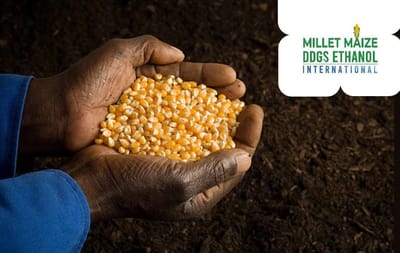
Across Africa, maize — the continent’s most widely grown cereal crop — is at the center of a quiet revolution. The International Maize and Wheat Improvement Center (CIMMYT) is driving this transformation through advanced research, innovation, and collaboration with local scientists and farmers.
Read More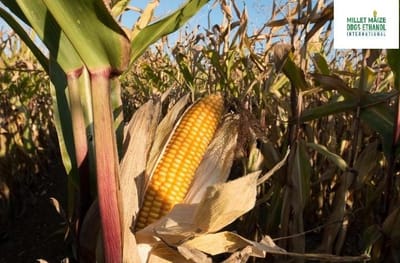
Maize prices in Kenya have surged dramatically as competition intensifies between the National Cereals and Produce Board (NCPB) and private millers — each vying for limited grain supplies.
Read More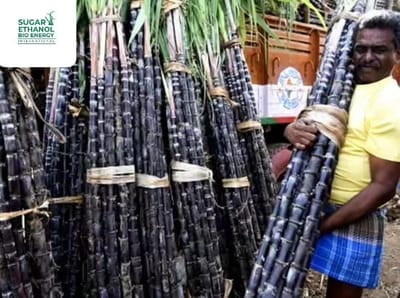
In an effort to stabilize payments and support growers, Gadkari said he is prepared to take a ₹400-crore financial hit to ensure that farmers receive their dues without delay.
Read More
While officials have highlighted major improvements in crop output, several independent observers argue that the numbers may not reflect conditions on the ground.
Read More
the Asia refined rapeseed, colza, and mustard oil market is poised for continued development. Strategic investments, product innovation, and expanding distribution networks are expected to create new growth opportunities, while sustainability and quality assurance will remain critical success factors.
Read More
Favorable weather conditions, improved farming practices, and expanded acreage contributed to higher-than-expected yields, ensuring ample supply for both domestic consumption and international trade.
Read More
Industry analysts say that lower Indian rice prices helped the country regain lost market share in many regions and cushioned global food costs for poorer importing countries
Read More