ALL AGRI #Export
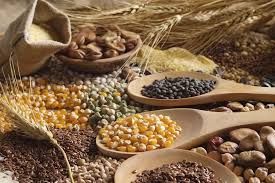
South Africa’s summer grains and oilseed production for 2024-25 is projected at 18.74 million tonnes, marking a 21% increase from the previous year and a 2% rise since June, according to the Agricultural Business Chamber of South Africa (Agbiz).Maize output is forecast at 15.03 million tonnes, 17% higher than last season and exceeding national requirements of around 12 million tonnes, keeping the country on track as a net maize exporter. Soybean production is expected to reach 2.72 million tonnes, a 47% increase year-on-year.
Read More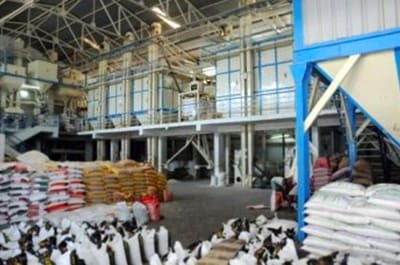
Kolkata, Aug 28 (PTI) West Bengal-based rice manufacturer Bardhaman Agro Products on Thursday said it is exploring opportunities to set up rice mills in Africa, while also committing investments of around Rs 200-250 crore over the next five years to double its domestic capacity.
Read More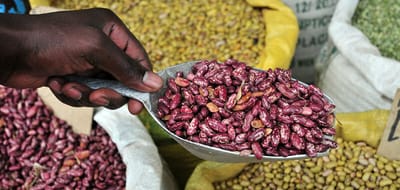
Market Forecast Driven by increasing demand for pulses in Africa, the market is expected to continue an upward consumption trend over the next decade. Market performance is forecast to accelerate, expanding with an anticipated CAGR of +1.9% for the period from 2024 to 2035, which is projected to bring the market volume to 29M tons by the end of 2035. In value terms, the market is forecast to increase with an anticipated CAGR of +2.2% for the period from 2024 to 2035, which is projected to bring the market value to $30B (in nominal wholesale prices) by the end of 2035.
Read More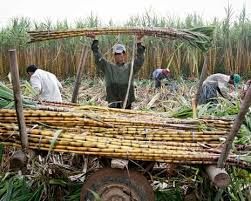
South African sugar farmers are facing mounting pressure from both international tariffs and low-cost imports, forcing some to make difficult decisions about staffing and production. For many small-scale producers, the combination of these challenges threatens livelihoods and local employment. A worker inspects harvested sugarcane at Nkosinathi Msweli's farm in KwaDukuza, a rural region on South Africa's eastern coast, August 26, 2025.
Read More
Key Findings African sesame seed market driven by rising domestic demand Consumption growth trend expected to continue for the next ten years Market volume forecast to reach 2.8 million tons by 2035 Market value projected to hit $4.6 billion (nominal prices) by 2035 Volume growth to decelerate to a +0.8% CAGR while value grows at a +1.8% CAGR
Read More
The Ministry of Agriculture, Animal Industry and Fisheries (MAAIF) has been backing the coffee sector in several ways: training farmers, ensuring better access to inputs (seedlings, quality inputs), enforcing quality controls.
Read More
The cash crop bounced from its 52-week low last week at the New York Exchange to settle at $7420 per ton. Cocoa traded at a record high in December 2024 when it spiked to $12,646 per ton.
Read More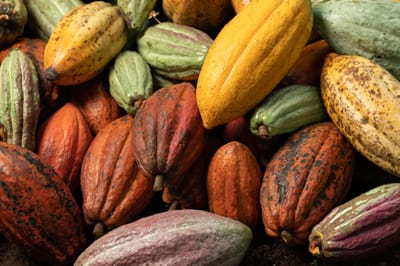
A devastating outbreak of black pod disease is sweeping across cocoa plantations in Southwest Cameroon, threatening the livelihoods of thousands of farmers and the region’s vital cocoa economy.
Read More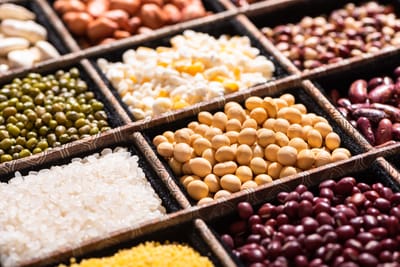
April–May 2025, Nairobi / Addis Ababa / Lagos — Africa’s pulses sector is set for measured but steady growth over the next decade, with market volume expected to reach 29 million tonnes by 2035. According to the latest the market will grow at a compound annual growth rate (CAGR) of approximately 1.8% in volume and about 2.5% in value.
Read More
n a powerful call to action, the Nigerian Content Development and Monitoring Board (NCDMB) is urging oil‑and‑gas producing countries across Africa to strengthen collaboration, with a view to accelerating the sustainable development of the continent’s oil industry. This appeal was made during the Africa Content Forum segment of Africa Oil Week 2025 in Accra, Ghana.
Read More
Global prices of pulses have plunged to record lows as major producers — Canada, Australia, Russia, and several African nations — compete aggressively for market share. A surge in production, improved harvests, and a race to secure international buyers have flooded the market with supply, driving prices down.
Read More
Wheat imports are estimated at 6.7 million tonnes for the 2025/26 marketing year, up from about 6.25 million tonnes the prior year. The temporary zero‑duty import policy introduced in 2024 is referenced as a key enabler of this jump, by making wheat cheaper and more accessible to millers.
Read More